
What is Type 2 Diabetes?
Type 2 Diabetes is a long-term health condition. It affects how your body uses sugar (glucose) for energy. In this condition, your body either does not make enough insulin or cannot use it well. Insulin is a hormone that helps move sugar from your blood into your cells. As a result, blood sugar levels become too high. According to the CDC, Type 2 Diabetes is the most common form of diabetes worldwide. Early detection and proper management can help prevent serious health problems.
Common Symptoms
Many people with Type 2 Diabetes may not notice symptoms at first. However, some signs can appear over time. For example, you may experience:
Because symptoms can be mild, regular check-ups are important, especially if you have risk factors.
Main Causes and Risk Factors
Type 2 Diabetes develops when your body cannot use insulin properly. Over time, the pancreas may not make enough insulin. Several factors can increase your risk. For instance, you may be more likely to develop Type 2 Diabetes if you:
Because these factors add up, making healthy choices can lower your risk.
Diagnosis Methods
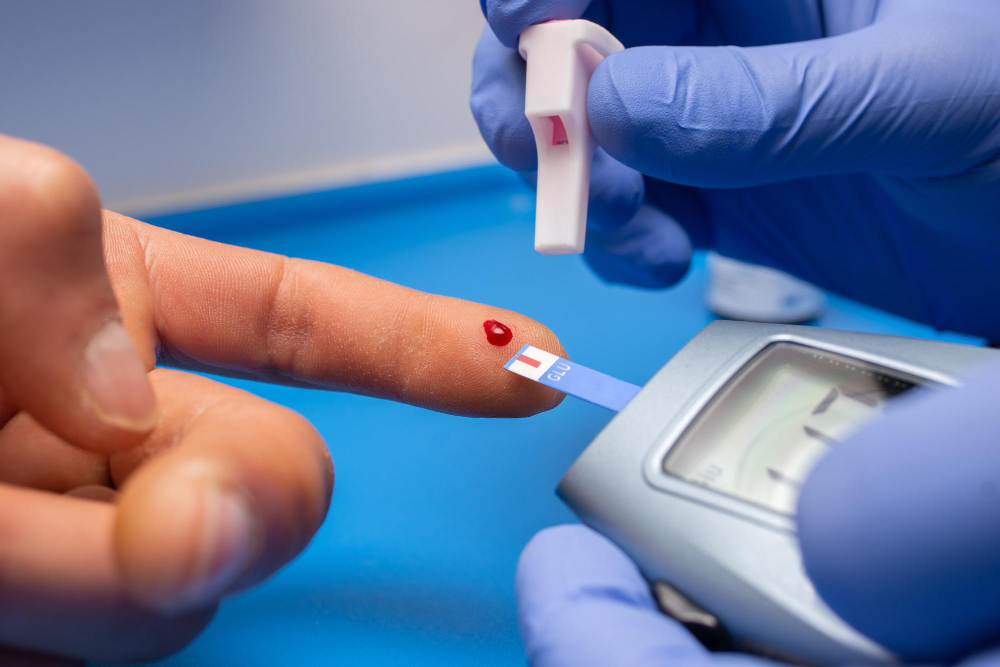
Doctors use several tests to diagnose Type 2 Diabetes. Early diagnosis can help prevent complications. Common tests include:
If your results are high, your doctor may repeat tests to confirm the diagnosis.
Treatment Options
Managing Type 2 Diabetes involves several steps. Your doctor will create a plan that fits your needs. Treatment options may include:
Because every person is different, your treatment may change over time.
Lifestyle Tips for Managing Type 2 Diabetes
Living with Type 2 Diabetes can feel challenging. However, small changes can make a big difference. Try these tips for better management:
Because support matters, consider joining a diabetes support group in your area.
Prevention Strategies
Although you cannot change some risk factors, you can lower your chances of developing Type 2 Diabetes. For example, you can:
Because prevention is key, start making healthy choices today.
When to See a Doctor
If you notice symptoms of Type 2 Diabetes, see your doctor soon. Early treatment can prevent serious problems. You should also visit your doctor if you:
Because your health matters, regular check-ups help you stay on track.
Consult a healthcare professional at Vita Clinic for personalized advice on managing Type 2 Diabetes.