What is Cardiac Arrest?
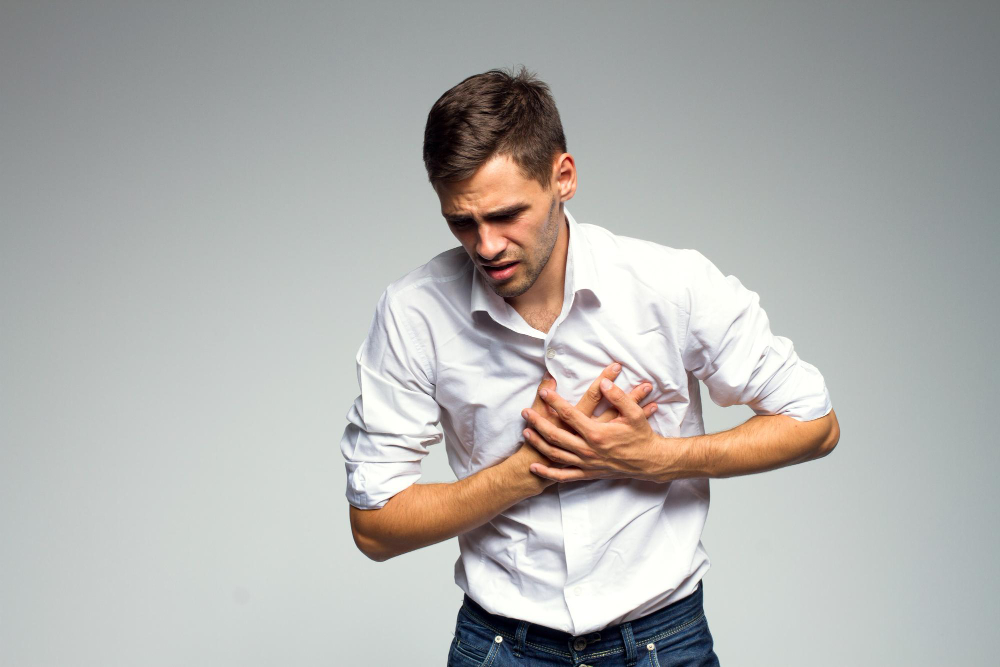
Cardiac arrest is a sudden loss of heart function. When this happens, the heart stops pumping blood to the body. As a result, the brain and other organs do not get enough oxygen. Without quick help, cardiac arrest can lead to death within minutes. In the United States, cardiac arrest affects thousands of people each year. Because it happens so fast, knowing the signs of cardiac arrest can save lives.
Symptoms of Cardiac Arrest
Often, cardiac arrest happens without warning. However, some signs may appear just before or during the event. For example, you may notice:
Sometimes, people may feel chest pain, shortness of breath, or dizziness before cardiac arrest. But, these signs do not always appear. Therefore, it is important to act fast if you see someone collapse and become unresponsive.
Causes and Risk Factors
Cardiac arrest can happen for many reasons. Most often, it is caused by an irregular heartbeat, also called arrhythmia. However, other causes include:
Some people have a higher risk of cardiac arrest. For instance, risk factors include:
Because these risks add up, it is important to manage your health and see your doctor regularly.
Diagnosis
Doctors diagnose cardiac arrest based on symptoms and quick tests. For example, if someone collapses and does not respond, emergency teams will check for a pulse and breathing. In hospitals, doctors may use:
Because time is critical, diagnosis and treatment often happen at the same time.
Treatment Options
Immediate treatment is vital for cardiac arrest. The main steps include:
After the heart starts beating again, doctors may use medicines or procedures to prevent another event. For example, they may suggest:
Because every case is different, treatment depends on the cause and the person’s health.
Prevention Tips
While not all cases can be prevented, you can lower your risk of cardiac arrest. For instance, you can:
Additionally, learning CPR and how to use an AED can help save lives in your community.
When to Seek Emergency Help
If you see someone collapse and they do not respond, call emergency services right away. Then, start CPR if you know how. If an AED is nearby, use it as soon as possible. Even if you are unsure, acting quickly can make a big difference. Remember, every second counts during cardiac arrest.
In summary, cardiac arrest is a serious medical emergency. Because it can happen without warning, knowing the signs and what to do can save lives. Consult a healthcare professional at Vita Clinic immediately if you suspect cardiac arrest or need personalized advice.