What Are Food Allergies?
Food allergies are a common health concern. They happen when your body’s immune system reacts to certain foods as if they are harmful. As a result, even a small amount of the food can cause symptoms. In fact, food allergies can affect both children and adults. According to the CDC, food allergies are rising worldwide. Early recognition is important because some reactions can be serious.
Common Symptoms of Food Allergies
Food allergy symptoms can appear within minutes or hours after eating. However, not everyone will have the same signs. Some symptoms are mild, while others can be life-threatening. Here are common symptoms to watch for:
Sometimes, a severe reaction called anaphylaxis can occur. This is a medical emergency. Therefore, seek help right away if you notice trouble breathing or swelling in the throat.
Causes and Risk Factors
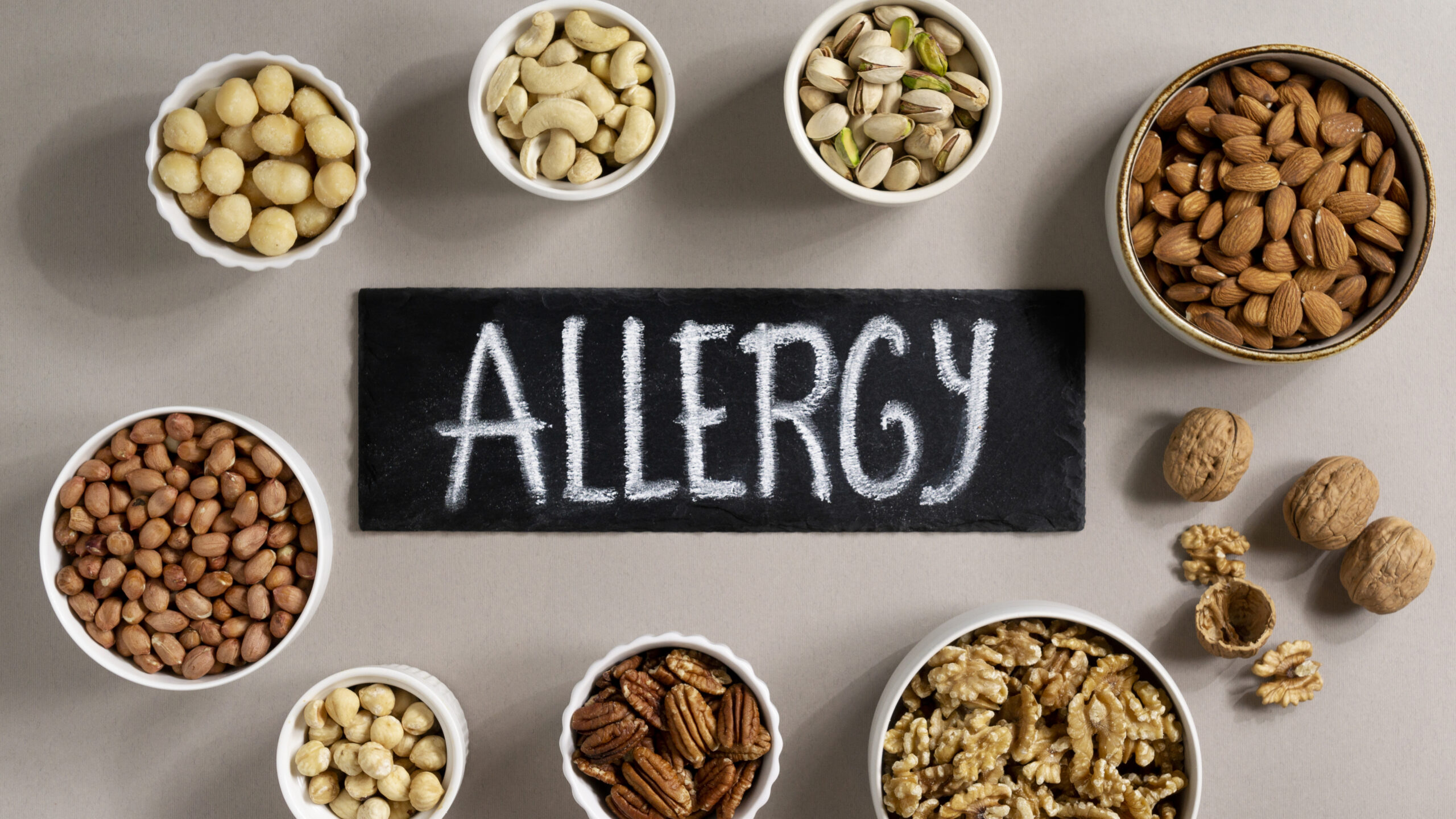
Food allergies happen when your immune system mistakes a food protein as harmful. Because of this, your body releases chemicals that cause symptoms. The most common foods that trigger allergies include:
Some people are more likely to develop food allergies. For example, children, people with a family history of allergies, or those with other allergic conditions (like asthma) are at higher risk. Additionally, food allergies can be more common in certain regions due to local diets.
How Are Food Allergies Diagnosed?
Doctors use several steps to diagnose food allergies. First, they ask about your symptoms and medical history. Next, they may suggest keeping a food diary. This helps track what you eat and any reactions. In addition, doctors may use tests such as:
Because some reactions can be severe, these tests should only be done by a healthcare professional.
Treatment Options and Emergency Response
Currently, there is no cure for food allergies. However, you can manage them by avoiding trigger foods. If you have a mild reaction, antihistamines may help. For severe reactions, an epinephrine auto-injector (like an EpiPen) is often needed. Always carry your emergency medicine if you have a known allergy. In case of anaphylaxis, use your auto-injector and call emergency services right away.
Lifestyle Tips for Managing Food Allergies
Living with food allergies can be challenging. Still, there are steps you can take to stay safe:
With these habits, you can lower your risk of accidental exposure.
Prevention Strategies
While not all food allergies can be prevented, some steps may help. For example, introducing common allergy foods to infants at the right age may reduce risk. However, always talk to your doctor before making changes to your child’s diet. In addition, breastfeeding may offer some protection against allergies. More research is ongoing in this area.
When to Consult a Doctor
If you suspect you or your child has a food allergy, see a healthcare professional. Early diagnosis can help prevent serious reactions. Also, if you have a known allergy and experience new or worsening symptoms, seek medical advice. Remember, severe reactions need emergency care right away.
Conclusion
Food allergies can be serious, but with the right care and precautions, they can be managed effectively. For personalized advice on managing food allergies, consult PRASANTA KUMAR DASS. Stay informed, stay cautious, and stay safe.