
Introduction
Hypoglycemia, also known as low blood sugar, can affect anyone. It is important to recognize the signs early. When blood sugar drops too low, your body may not work as it should. For this reason, knowing about hypoglycemia symptoms and how to treat hypoglycemia can help keep you safe.
What is Hypoglycemia?
Hypoglycemia means your blood sugar level is lower than normal. Usually, this happens when your blood sugar falls below 70 mg/dL. Because your body needs sugar for energy, low levels can cause problems. People with diabetes are at higher risk, but it can happen to others as well.
Symptoms of Hypoglycemia
Recognizing hypoglycemia symptoms early can prevent serious issues. Symptoms may appear suddenly. However, not everyone feels the same signs. Common symptoms include:
Sometimes, symptoms can be mild. But if not treated, they may become severe. For example, you might faint or have a seizure.
Causes of Hypoglycemia
There are many low blood sugar causes. Most often, it happens in people with diabetes. However, others can be affected too. Common causes include:
In rare cases, some medicines or hormone problems can also cause hypoglycemia.
Diagnosis of Hypoglycemia
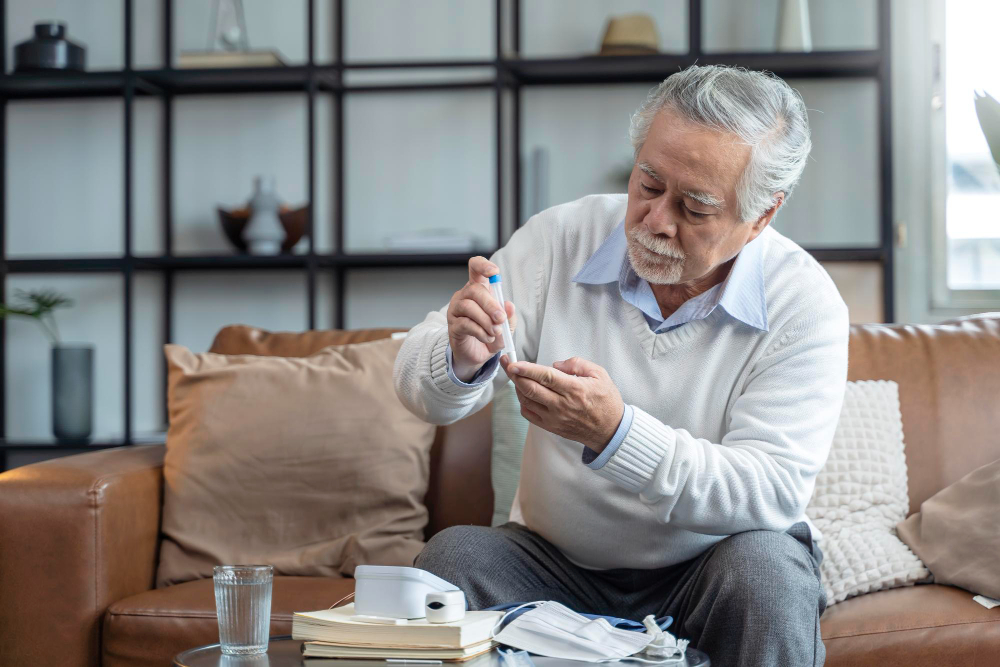
Doctors use several methods to diagnose hypoglycemia. First, they check your symptoms. Next, they may test your blood sugar level. Usually, a finger-prick test is used. Sometimes, you may need more tests to find the cause. For example, your doctor may ask about your diet, medicines, and health history.
Treatment Options
Knowing how to treat hypoglycemia quickly is important. If you have symptoms, check your blood sugar if possible. If it is low, take action right away. Here are some first aid steps:
If you cannot swallow or lose consciousness, someone should call emergency services right away. In some cases, a glucagon injection may be needed.
Lifestyle Tips for Managing Hypoglycemia
Making healthy choices can help prevent low blood sugar. Here are some tips:
Additionally, avoid skipping meals and limit alcohol intake.
Prevention of Hypoglycemia
Preventing hypoglycemia is possible with a few steps. For example, you can:
By staying prepared, you can lower your risk of low blood sugar episodes.
When to Seek Medical Help
Sometimes, hypoglycemia can be dangerous. Seek medical help if:
In any emergency, call for help right away. Early treatment can prevent serious problems.
If you experience symptoms of hypoglycemia, consult a healthcare specialist at Vita Clinic for personalized advice.